What this helps you with
publish date
Dec 7, 2025
Topic
Answer
When deciding what’s “enough” feels impossible…
…it’s usually because you’re trying to serve too many masters with one thing. Your future vision, investor expectations, imagined user standards, the pressure to “look legit” — they all start sneaking into what’s supposed to be a first, small, learning-driven version.
Of course it feels heavy. You’re not just scoping features — you’re trying to quiet the pressure.
The truth about “enough”
“How much should we build?” is the wrong starting place.
A better place is:
“What’s the goal of this version?”
Because each goal points to a different definition of “enough.” Is the goal to:
understand a user problem
validate a single, core assumption
test whether people actually care
get early traction (sign-ups, pre-sales, commitments)
see the experience more clearly
Founders get stuck when they try to build one version that does all of these things at once. That’s how versions get bloated — especially when fundraising pressure expands the scope without anyone saying it out loud.
When the goal is clear, the version gets smaller — usually much smaller than you expect.
Sometimes ‘enough’ isn’t code at all
A quiet truth most founders forget: You don’t need custom code to test most early questions.
Often, the fastest and cleanest path looks like:
stitching together off-the-shelf tools
a manual or concierge workflow
a clickable prototype
a simple form + email flow
something held together with spreadsheets
If the purpose is to learn, speed matters more than polish. This is where stepping back and being brutally objective is essential.
A few grounding prompts
These questions help you get honest about what you actually need to learn — not what you feel pressure to build.
What’s the one thing this version needs to test — and why is that the most important thing right now?
Centering the version around a single learning prevents noisy data later.How does learning this one thing bring you closer to traction — more interest, sign-ups, pre-sales, or engagement?
When the outcome is real, scope becomes obvious.If writing code wasn’t an option today, how else could you test this?
Most early insights don’t require engineering — they require evidence.If it cost $100K to build custom software, what lightweight version would you create instead to prove your point?
This forces clarity about the simplest meaningful version.What does a customer need to do for this to “count” as progress?
A version should be aimed directly at that moment: add to cart, sign up, book a call, commit money.How does this customer solve the problem today — without you?
Their current workaround tells you where your version should start, not where it should end.
These prompts cut through the instinct to overbuild and bring you back to the real purpose of an early version: to learn something that matters, quickly.
The real clarity moment
If the goal is to understand or validate, then “enough” is the simplest version that lets you learn — often no code at all.
If the goal is to get someone to take a real action, then “enough” is the smallest version that allows that action, even if the back end is duct tape.
If the goal is to impress investors, that’s usually pressure talking — not clarity. (And it has its own question — we’ll cover that separately.)
Different goals → different versions. Trying to satisfy all of them with one build almost always leads to burnout and slow cycles.
Why this feels hard
You care deeply about the thing you’re building. And that makes it easy to overestimate what “enough” looks like — especially when fear or pressure is in the room. Every founder overshoots their first version at least once. It’s not failure — it’s attachment.
A calmer way to move forward
Pause.
Name the real goal of this version out loud.
Then scope only the pieces that get you closer to that goal — nothing else.
When you stop asking a first version to prove the whole company, “enough” becomes clearer, lighter, and far more achievable.
When to use this
When you feel unsure how much to build for a first version
When fundraising pressure is quietly expanding your scope
When you’re torn between building “impressive” and building “useful”
Share the wealth:
About Author
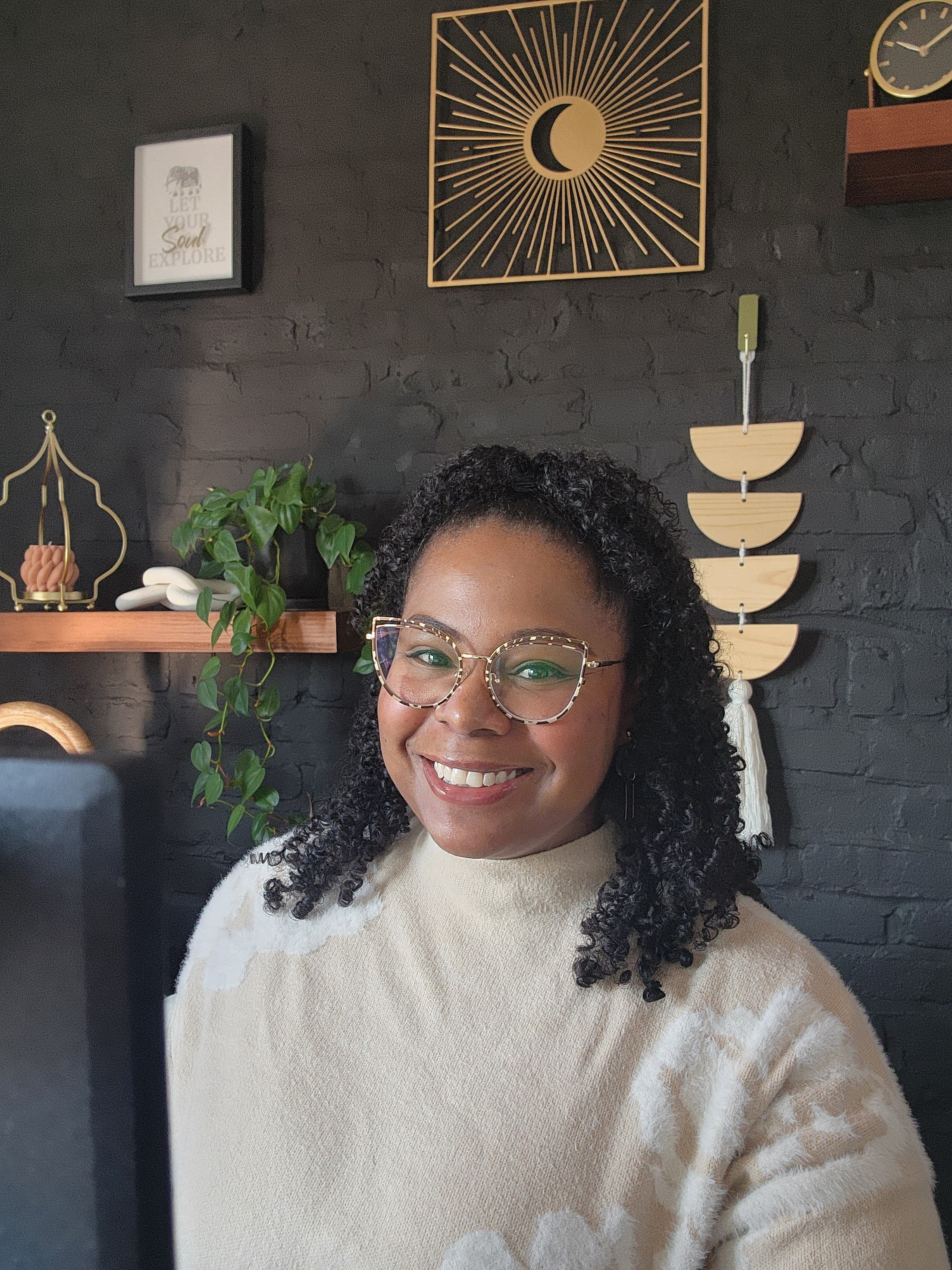
Brittany Canty is the founder of Inciteful and a product strategist with 15+ years of experience building and scaling early-stage products. She helps founders cut through noise, avoid costly mistakes, and move forward with clarity.
Did this spark another question?
Share it to help other founders thinking through the same thing.